
Blog · September 16, 2026 · 10 min read
Apple Watch Series 12 vs Series 11: Is the Upgrade Worth It for Health Tracking?
Series 12 vs Series 11 compared for health tracking: readiness score, 5-second heart rate, 24x HRV sampling, battery, price, and who should actually upgrade.
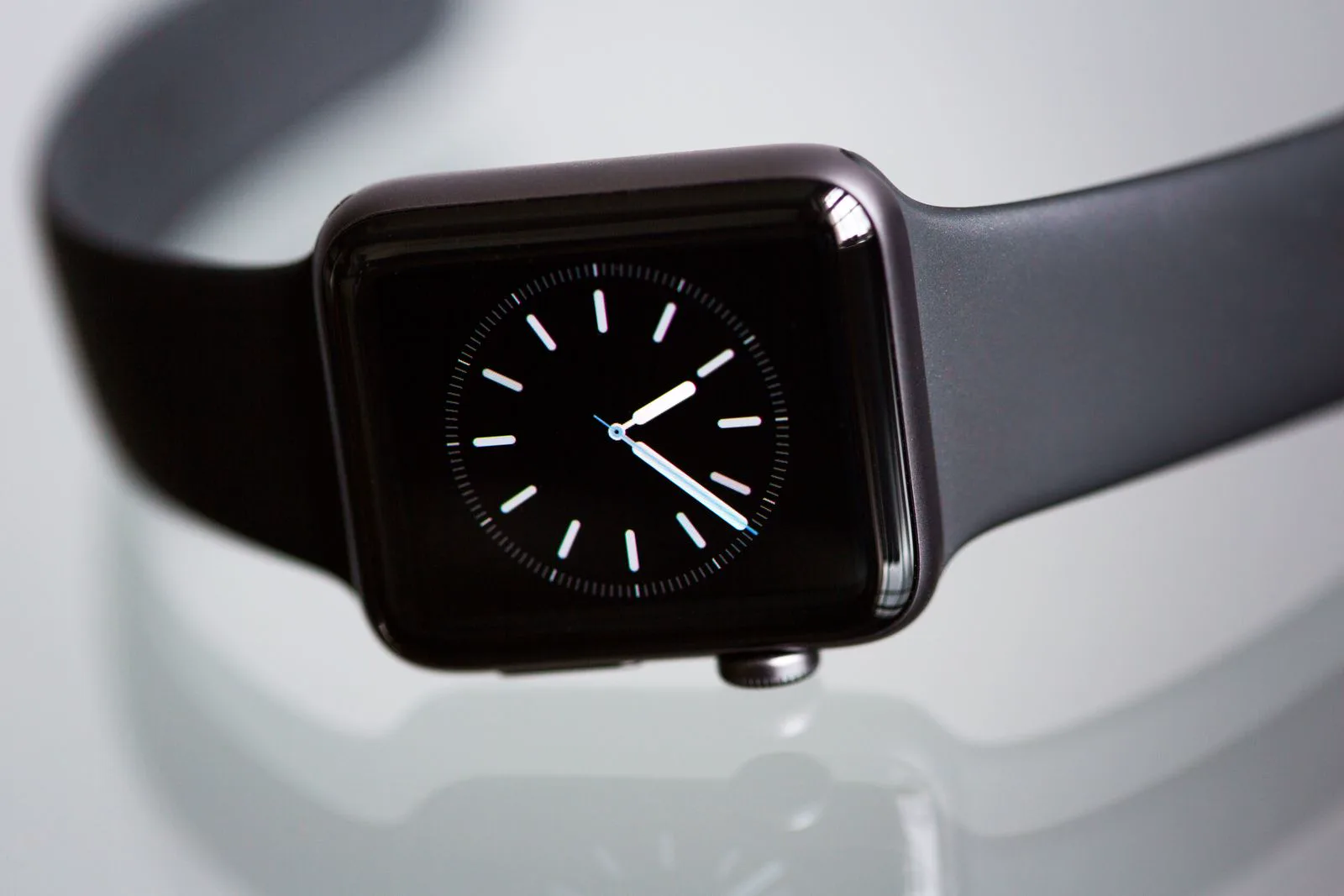
The Series 12 is real now. Apple announced it on September 9, 2026, pre-orders are open, and it ships September 18 at the same $399 starting price as the Series 11. It looks almost identical to last year's watch. Everything that changed is on the inside: a new S11 chip, a rebuilt sensor array, and a much tighter grip on your heart rate and HRV.
Here is the direct answer: the Series 12 is worth it for health tracking if you are coming from a Series 8 or older. If you own a Series 11, skip it. The Series 11 still does almost everything, and the one major health upgrade it does not get, the new readiness score, is the only reason a Series 11 owner would feel tempted. That feature is hardware-gated, and a lot of Series 11 owners are not happy about it.
This post sticks to what Apple has actually confirmed. No rumors, no "expected" labels. Everything below is on the record from Apple's announcement or from CNET's hands-on coverage, and we link both at the bottom.
The short answer
- Series 12: New Health Sensing System with the S11 chip. Measures heart rate every 5 seconds all day, samples HRV up to 24 times more often, and adds a readiness score from 0 to 10. Starts at $399, ships September 18, 2026.
- Series 11 (still available): Keeps sleep score, hypertension notifications, the Vitals app, ECG, training load, and about 24 hours of battery. It runs watchOS 27 and gets most of the new software, including Cycle Tracking for perimenopause and menopause.
- The big difference: Readiness is exclusive to Series 12 and Ultra 4. The Series 11 does not get it, and neither does the Ultra 3. Reddit threads are full of frustrated owners.
- Battery: The Series 12 lasts the same 24 hours overall, but gets 10 hours of outdoor workout battery (25% more than before) and a 15-minute charge adds up to 12 hours.
- Bottom line: Upgrade from Series 8 or older. Skip if you own a Series 9, 10, or 11, unless you specifically want readiness and denser HRV data, which is a real but narrow case.
What's new in the Series 12 for health tracking?
The headline is the Health Sensing System. Apple rebuilt the sensor array on the back of the watch (CNET's hands-on describes 32 electrodes arranged like daisy petals, replacing the simple ring on the Series 11) and paired it with the new S11 chip. The result is the same watch shape with much denser data coming off your wrist.
Most accurate heart rate sensing in a wearable. That is Apple's claim, from an Apple-conducted study of more than 1,000 participants that compared the watch against leading wearables. Note the source: Apple ran the study and Apple made the claim. Independent testing will tell us more, but the underlying hardware change is real. The watch has larger, more power-efficient green LEDs that feed readings far more often than before.
Heart rate every 5 seconds, all day. The Series 11 samples roughly every 5 minutes in the background. The Series 12 samples every 5 seconds. That works out to about 60 times more background readings per day, which sharpens your Move and Exercise rings, powers a new heart rate watch face complication, and gives the features below their raw material.
HRV up to 24 times more often, in two flavors. Heart rate variability is one of the most useful recovery signals a wearable can give you, and Apple now splits it into two variants. Recovery HRV tracks daily stress and recovery signals. Overall HRV points at broader health, including cardiovascular trends. Both live in a new section of the Heart Rate app.
Daytime vitals. Until now, the Vitals app only looked overnight. The Series 12 analyzes recovery HRV against your personal baseline during the day too, so a shift in your metrics can surface before your next night's sleep confirms it.
Faster workout battery. Up to 10 hours of outdoor workout battery, 25% more than the Series 11, and a 15-minute charge adds up to 12 hours. If long GPS sessions drained your old watch, this is a quiet but meaningful fix.
Does the Series 11 get the Readiness score?
No. Readiness is exclusive to the Series 12 and the Ultra 4. The Ultra 3, the Series 11, and everything older do not get it, even though they run watchOS 27.
Readiness is Apple's new daily recovery score. It looks at your recent activity, training load, vitals, and sleep score, then gives you a single number from 0 to 10 with one of four labels: Recover, Pace Yourself, Ready, or Go For It. It updates through the day, so a hard morning workout or a shift in daytime vitals changes the score before you plan your evening. Apple built the algorithm with data from the Apple Heart and Movement Study, working with exercise scientists and physicians. You need about seven days of wear before it has enough baseline to score you.
Why is it gated? The most likely reason is the data. Readiness leans on the high-frequency heart rate and HRV sampling that only the new sensor hardware provides. Apple has not ruled out backporting it, but its announcement and device list currently limit it to Series 12 and Ultra 4.
The backlash is real. Series 11 and even Ultra 3 owners on Reddit are calling the restriction arbitrary, since the underlying sleep, activity, and vitals data exists on older watches. Some have a point: readiness-style scores are a guide, not a measurement, and third-party apps already estimate recovery from the same data. If you want to understand what the score actually does and which watches have it, see our breakdown of Apple Watch readiness and which models support it.
Series 12 vs Series 11 spec comparison
| Series 12 | Series 11 | |
|---|---|---|
| Chip | S11 (new Health Sensing System) | S10 |
| Heart rate sampling | Every 5 seconds, all day | Roughly every 5 minutes in background |
| HRV sampling | Up to 24x more often; Recovery HRV and overall HRV | Occasional spot samples |
| Readiness score | Yes (0-10, exclusive to Series 12 and Ultra 4) | No |
| Battery | 24 hours; 10h outdoor workout (+25%); 15-min charge = 12h | 24 hours; fast charge 0-80% in 30 min |
| Sleep features | Sleep score, sleep apnea notifications, overnight and daytime vitals | Sleep score, sleep apnea notifications, overnight vitals |
| Price | From $399 (42mm/46mm); ceramic and titanium cost more | From $399 at launch; now discounted at third-party retailers |
Both watches share the same display, 64GB of storage, water resistance to 50 meters, and design. The Series 12 adds a ceramic case option for the first time since the Series 5 and Ceramic Shield 2 glass on aluminum models.
Should you upgrade?
You own a Series 8 or older: yes. The Series 12 is a clear step up in health tracking, and CNET's verdict lands here too. You gain sleep score, hypertension notifications, the Vitals app, and now readiness, plus a chip that will keep getting new features for years. Siri AI and Audio Intelligence require newer hardware, so an older watch misses those as well.
You own a Series 9, 10, or 11: no, unless readiness matters to you. Your watch does nearly everything the Series 12 does. The gap is readiness, Recovery HRV in vitals, and the denser 5-second heart rate sampling. If a 0-to-10 recovery score would genuinely change how you train, the upgrade makes sense. If it would just sit on your watch face, keep your money. Apple's own software will keep adding features to your watch for years.
You are a health-data power user: this is the real case. If you track HRV trends, watch recovery, or use your data to pace training, the Series 12 is the biggest sampling upgrade Apple has ever shipped in a watch. Heart rate every 5 seconds and HRV up to 24 times more often means fewer gaps in your baseline and more trustworthy trends. Readiness is a convenience on top of that data, not the reason to buy. If that sounds like you, the upgrade is defensible.
What both watches share
It is easy to forget how much the Series 11 already does, because the Series 12's upgrades are narrow and deliberate. Both watches include:
- Sleep score, a nightly 0-to-100 grade built from duration, consistency, and interruptions.
- Hypertension notifications, analyzing 30-day heart rate patterns for signs of chronic high blood pressure.
- ECG app and irregular rhythm checks.
- Cycle Tracking, which gains perimenopause and menopause support in watchOS 27 on both watches.
- Sleep apnea notifications, wrist temperature, blood oxygen, Fall Detection, Crash Detection, and Emergency SOS.
If you own a Series 11, none of that goes away. It is still one of the most complete health wearables you can buy, and it will run watchOS 27 with the redesigned Health app when it arrives later this year.
FAQ
Is the Apple Watch Series 12 worth the upgrade from Series 11?
Usually not. The Series 12's health advantages are the readiness score, Recovery HRV, and 5-second heart rate sampling. Everything else (sleep score, hypertension alerts, ECG, battery life), the Series 11 already has. If readiness would change how you plan your days, upgrade. If not, wait a generation.
What health features does Series 12 have that Series 11 doesn't?
Three things, all driven by the new Health Sensing System: the readiness score (exclusive to Series 12 and Ultra 4), Recovery HRV measured against your baseline in overnight and daytime vitals, and heart rate sampled every 5 seconds instead of every few minutes. The redesigned Health app and its Longevity tab come to both watches, though Health Age works best with the denser data.
Does Apple Watch Series 12 measure blood pressure?
No. Neither watch measures blood pressure the way a cuff does. Both offer hypertension notifications that analyze long-term heart rate patterns and suggest you take an actual cuff reading if the pattern looks concerning. Apple did not announce a cuffless blood pressure feature this year.
How much is the Series 12?
It starts at $399 for the 42mm aluminum GPS model, the same price as the Series 11 at launch. Titanium and cellular models cost more, and a returning ceramic case option sits at the top of the lineup. The Apple Watch Ultra 4 starts at $799 with up to 50 hours of battery life.
When can I buy the Series 12?
Pre-orders opened September 9, 2026, and the watch ships and hits stores on Friday, September 18, 2026, in more than 50 countries.
Will my Series 11 get the readiness score later?
Apple has not said yes or no. Its announcement and device list currently limit readiness to Series 12 and Ultra 4, and the feature depends on the new sensors' high-frequency sampling. If Apple backports it, we will update this post.
Sources
- Introducing Apple Watch Series 12, with the all-new Health Sensing System, Apple Newsroom, September 9, 2026
- Apple Watch Series 12 vs. Apple Watch Series 11: Is it Worth Upgrading?, CNET, September 2026
- Apple Watch Series 12 Hands-On: Familiar Design, Different Everywhere Else, CNET, September 2026
- Readiness App Exclusive for Series 12 and Ultra 4, r/AppleWatch, September 2026
Related reading
- Apple Watch Readiness: Which Models Support It and How the Score Works
- Apple Watch Sleep Score: What's Good, What It Misses, and How to Use It
- Apple Watch HRV: What It Means and How to Read It
- Apple Watch Series 12 vs Whoop vs Oura Ring 4
- watchOS 27 Health Features: What's Changing on Your Watch This Fall
Whichever watch ends up on your wrist, the raw numbers only matter if someone turns them into answers. That is what Ness does. Ness reads your Apple Health data on your iPhone and turns sleep, HRV, heart rate, and workouts into six daily scores (Health, Sleep, Recovery, Strain, Stress, and Energy), plus an AI coach that tells you what to do about them, all computed on-device. Series 11 or Series 12, your baselines and history stay with you when you upgrade. Ness is $12.99/month or $79.99/year on the App Store.
Nothing here is medical advice. Health apps and wellness scores are tools, not diagnoses; if you have symptoms or a health condition, see a physician.